
Table of Contents
- What Are Glazed Windows?
- Single Glazed Windows
- Double Glazed Windows
- Triple Glazed Windows
- Factors to Consider When Choosing Glazed Windows
Choosing the right type of windows for your home is crucial for comfort, energy efficiency, and overall aesthetics. Single, double, and triple glazed windows each offer distinct advantages and disadvantages, making it essential to understand their differences to make an informed decision. This blog post will guide you through the characteristics of each type of glazing, helping you determine which option is best suited for your home.
What Are Glazed Windows?
Glazed windows refer to windows that consist of multiple layers of glass. The layers are separated by air or gas-filled spaces, which provide insulation and impact the window’s performance in terms of energy efficiency, sound insulation, and durability.

Single Glazed Windows
Single glazed windows consist of a single pane of glass. They are the most basic and least expensive option available.
Benefits:
- Cost-Effective: They are the cheapest option, making them a good choice for budget-conscious homeowners.
- Simplicity: Easy to install and replace due to their straightforward design.
Drawbacks:
- Poor Insulation: They offer minimal insulation, leading to higher energy costs as heat easily escapes during winter and penetrates during summer.
- Reduced Sound Insulation: They provide limited noise reduction, which might be a concern for homes in noisy areas.

Double Glazed Windows
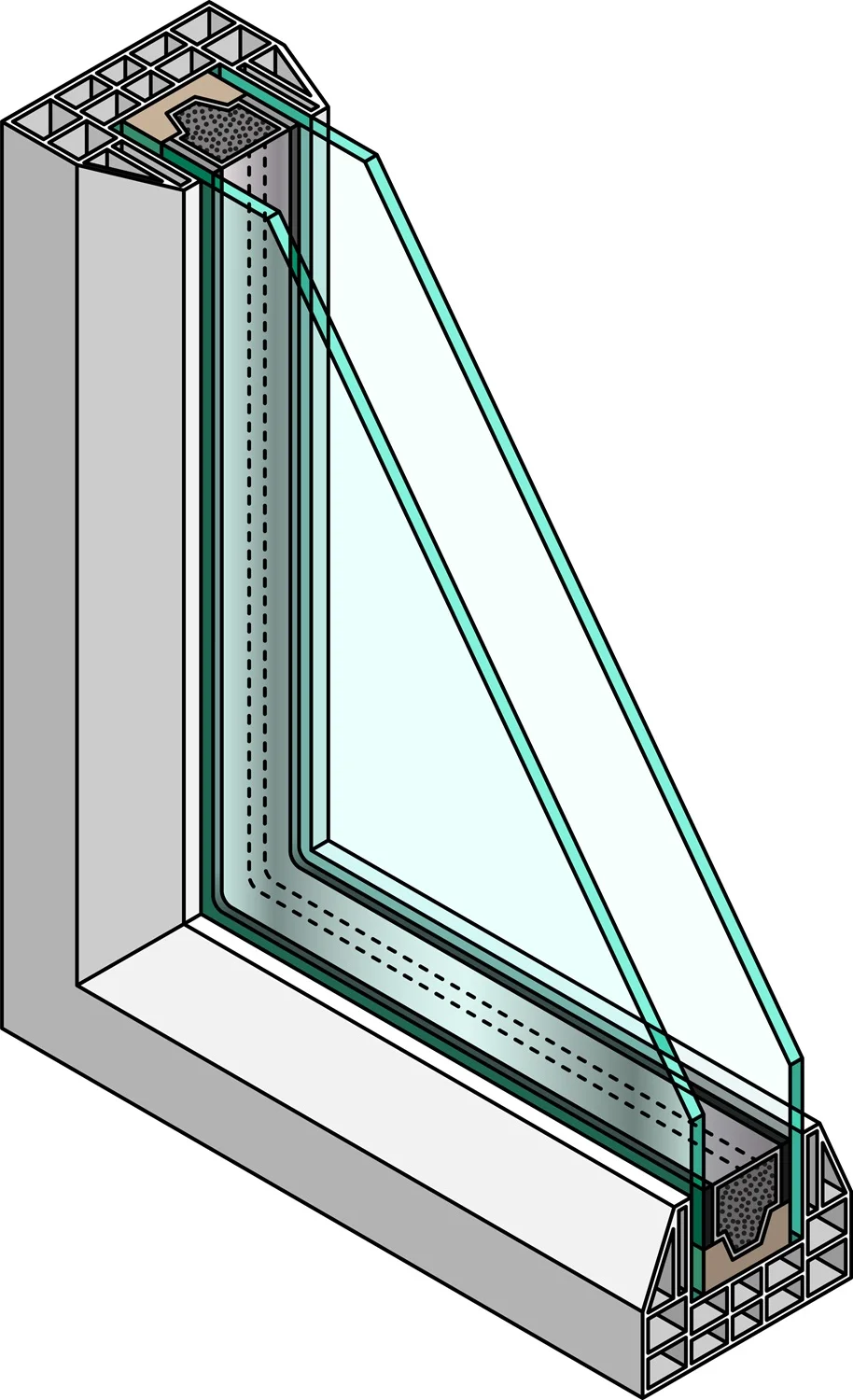
Double glazed windows feature two panes of glass with a gap between them, usually filled with air or an inert gas like argon. This design significantly improves insulation and energy efficiency.
Benefits:
- Energy Efficiency: They offer better insulation, reducing heat loss and lowering energy bills.
- Sound Insulation: They provide better soundproofing compared to single glazed windows.
- Increased Security: The double layers of glass make it harder for intruders to break in.
Drawbacks:
- Higher Cost: More expensive than single glazed windows due to the additional materials and manufacturing processes.
- Heavier Weight: Can be heavier, requiring stronger frames and potentially more robust structural support.

Triple Glazed Windows
Triple glazed windows include three panes of glass with two air or gas-filled gaps. They are the most advanced option, offering the highest levels of insulation and performance.
Benefits:
- Superior Energy Efficiency: They provide the best insulation, significantly reducing heat loss and energy costs.
- Enhanced Sound Insulation: Excellent noise reduction capabilities make them ideal for homes in busy or loud areas.
- Maximum Security: The additional layer of glass enhances security, making it extremely difficult for intruders to break through.
Drawbacks:
- Highest Cost: The most expensive option due to the complexity of the design and the materials used.
- Weight and Thickness: Heavier and thicker, requiring very sturdy frames and potentially impacting the overall design aesthetics.
Factors to Consider When Choosing Glazed Windows
- Climate: In colder climates, double or triple glazed windows are more beneficial for their superior insulation properties.
- Budget: Single glazed windows are more affordable upfront, but double and triple glazed windows can save you money in the long run through reduced energy bills.
- Noise Levels: If you live in a noisy area, double or triple glazed windows provide better sound insulation.
- Security: Consider double or triple glazed windows for enhanced security features.
- Aesthetics and Design: Heavier and thicker windows may require stronger frames, which can influence the overall design of your home.
Deciding between single, double, and triple glazed windows depends on various factors, including your budget, climate, and specific needs for energy efficiency, sound insulation, and security.
For expert advice and professional installation of the perfect glazed windows for your home, contact MAN GLAZING today and let our team guide you to the best choice for your needs.

